
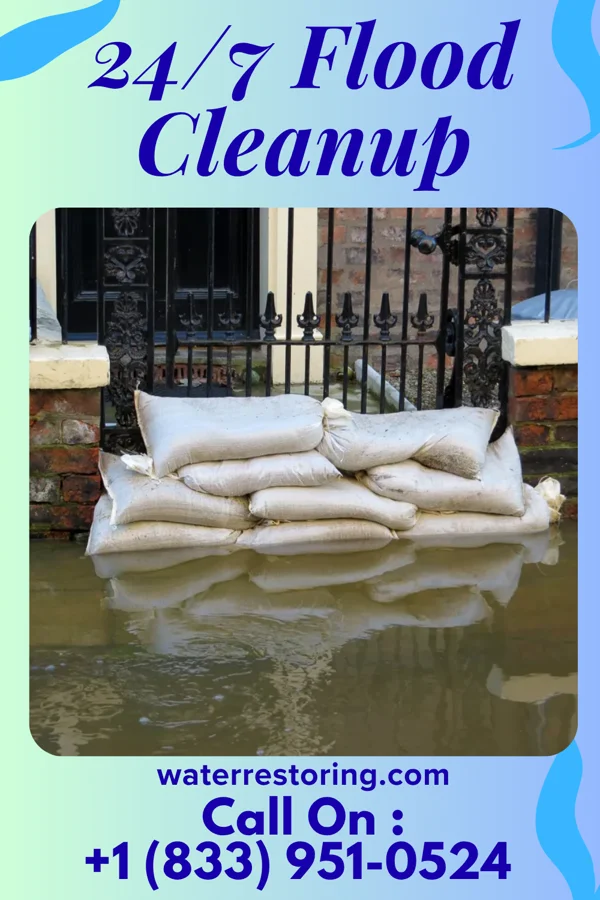
When Penn Properties Need 24/7 Flood Cleanup
Water damage in Penn usually starts with spring snowmelt and heavy rainfall overwhelming aging infrastructure. A close second is ice jam flooding and nor'easter storm damage. Professional restoration follows the IICRC protocol on every job. Assess. Extract. Dry. Sanitize. Document.
Penn, Pennsylvania experiences a humid continental climate with cold winters, leading to significant snow accumulation that melts in spring, overwhelming local drainage systems. The region's proximity to the Ohio River also increases the risk of flooding during severe storm events.
Water damage in Penn follows a few local patterns. spring snowmelt and heavy rainfall overwhelming aging infrastructure accounts for the bulk of our calls. Penn, Pennsylvania experiences a humid continental climate with cold winters, leading to significant snow accumulation that melts in spring, overwhelming local drainage systems. The region's proximity to the Ohio River also increases the risk of flooding during severe storm events. Mold can begin to grow within 48-72 hours after flooding in Penn homes, especially in basements and older homes with poor insulation. Immediate drying and dehumidification are critical to prevent long-term structural damage and health risks.
For public guidance on the health effects of mold after prolonged water exposure, see the EPA mold and health page.